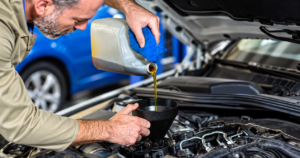

Northern Virginia winters can bring freezing mornings, sudden temperature drops, snow, ice, wet roads, and road salt. These conditions can expose small vehicle problems that may go unnoticed during warmer months.
For BMW and Saab owners, preparing early can reduce the risk of battery trouble, tire-pressure issues, cooling-system concerns, and poor visibility. Effective BMW winter maintenance in Falls Church should focus on the vehicle’s actual needs before colder weather places additional stress on key systems. At IM Autohaus, seasonal maintenance can help identify developing issues early so drivers can address what matters now and avoid unnecessary replacement work.
Why Do BMWs and Saabs Need Extra Attention Before Cold Weather?
BMWs and Saabs follow the same basic cold-weather maintenance principles as other vehicles, but their electrical systems, cooling systems, tires, brakes, and maintenance history deserve careful attention before temperatures fall.
Cold weather can reduce available battery output while increasing the energy required to start the engine. Tire pressure also drops as temperatures decrease, which can affect handling, braking, and tire wear.
Older Saabs may also require closer attention to age-related components, while many BMWs rely heavily on electronic monitoring and charging-system management. Good European-car winter service should therefore be based on the vehicle’s actual condition, not a standard replacement checklist.
Start With the Battery and Charging System
Why Cold Weather Can Expose a Weak Battery
A battery that performs normally in mild weather may struggle once temperatures drop. Cold conditions reduce battery output, and starting the engine can require more energy at the same time. That makes a BMW battery check one of the most useful parts of seasonal preparation.
Slow cranking, dim lights, intermittent electrical behavior, or unusual dashboard messages can point to a weak battery or charging-system issue. Testing is more useful than replacing a battery simply because it is several years old. A proper evaluation should look at battery health, alternator performance, charging voltage, electrical connections, and starting performance.
Check Your Tires Before Temperatures Drop
Tires are one of the most important parts of cold-weather preparation because they directly affect acceleration, steering, and stopping. As the air gets colder, tire pressure can fall. Underinflated tires may reduce handling quality, increase wear, and affect fuel economy. A seasonal tire inspection should confirm proper inflation, safe tread depth, even wear, and the absence of cracks or sidewall damage. Uneven wear can also point to alignment, steering, or suspension issues.
Do You Need Winter Tires in Falls Church?
Not every BMW or Saab owner in Falls Church needs dedicated winter tires. Drivers who regularly travel during snow, freezing weather, or on untreated roads may benefit from the additional cold-weather traction winter tires provide. Drivers who can avoid severe conditions may find that quality all-season tires with adequate tread meet their needs. The right decision depends on where, when, and how you drive rather than the BMW or Saab badge alone.
Inspect the Cooling System and Seasonal Fluids
BMW cold weather preparation should include the cooling system, even though cooling problems are often associated with summer.
Coolant must protect the engine from freezing while also helping it maintain the correct operating temperature. A seasonal inspection should confirm the coolant’s protection level and look for leaks, deteriorated hoses, or reservoir concerns. Engine oil and brake fluid should also be reviewed if service is due. For visibility, use washer fluid rated for freezing temperatures rather than a warm-weather formula.
For Saab cold weather service, age can be especially important. Older hoses, reservoirs, seals, and cooling-system components should be evaluated based on their wear and service history rather than replaced automatically.
Make Sure Your Brakes, Steering, and Suspension Are Ready
Cold weather is not only about whether your car starts. You also need predictable handling and braking. Wet pavement, ice, potholes, and road treatments can make existing brake or suspension problems more noticeable. Before colder conditions arrive, pay attention to symptoms such as pulling, vibration, clunking noises, uneven tire wear, or changes in steering feel.
Brake pads, rotors, brake fluid, suspension components, and steering parts should all be evaluated when symptoms or maintenance history suggest attention is needed. BMW owners can learn more about BMW service and repair, while Saab owners can review Saab service and repair.
Do Not Overlook Visibility
Dark commutes, road spray, frost, rain, and occasional snow can make visibility more difficult throughout Northern Virginia. Before temperatures fall, make sure the wipers clear the windshield properly, the washer system works, exterior lights are functioning, and the front and rear defrosters operate as expected. Cabin heat should also be working properly before freezing mornings become common. These are simple items, but they can have an immediate effect on everyday driving safety.
Northern Virginia Cold-Weather Maintenance Checklist
Before the first sustained cold spell, use this practical Northern Virginia winter-maintenance checklist:
- Test the battery and charging system.
- Check tire pressure and tread depth.
- Inspect the brakes.
- Verify coolant protection and check for leaks.
- Review oil and other fluids that may be due for service.
- Use washer fluid rated for freezing temperatures.
- Replace worn wiper blades.
- Test the heater and defrosters.
- Check exterior lights.
- Inspect steering and suspension if there are symptoms or uneven tire wear.
- Diagnose warning lights rather than ignoring them.
- Confirm that scheduled maintenance is current.
It is also useful to keep an ice scraper, gloves, flashlight, phone charger, and basic emergency supplies in the vehicle during colder months.
When Should You Schedule Seasonal Service in Falls Church?
The best time for a winter vehicle inspection in Falls Church is before repeated overnight temperatures begin approaching or dropping below freezing. Scheduling in the fall gives you time to address a weak battery, worn tires, fluid concerns, or visibility problems before cold-weather driving becomes routine.
This is especially helpful for drivers commuting between Falls Church, Arlington, McLean, Tysons, Fairfax, and other parts of Northern Virginia, where a mix of highway traffic, short trips, and stop-and-go driving can affect how a vehicle is used. Cars driven infrequently or mainly on short trips may also deserve closer attention to battery health because the charging system has fewer opportunities to replenish the battery fully.
BMW vs. Saab Winter Preparation: What Is Different?
The basic cold-weather priorities are similar, but the service approach can differ between the two brands.
BMW
For BMWs, seasonal service should pay particular attention to battery and charging-system health, electronic fault messages, cooling-system performance, tire condition, and service information stored through the vehicle’s maintenance system.
On many newer BMWs, battery replacement may also require registration or programming so the vehicle’s charging system can manage the new battery correctly. Electronic diagnosis can therefore be especially important when cold-weather electrical symptoms appear.
Drivers using low-profile, performance, or run-flat tires should also pay close attention to tread depth and cold-weather traction.
Saab
For Saabs, age and service history often play a larger role. Many vehicles still on the road are older, so cold-weather service should pay close attention to battery health, cooling hoses and reservoirs, electrical systems, suspension wear, fluid leaks, and corrosion exposure.
Tech 2 diagnostic capability can also be valuable for applicable Saab models when troubleshooting warning lights, electrical concerns, or control-system issues.
IM Autohaus works with both BMW and Saab vehicles, so maintenance recommendations can be based on the specific model, age, mileage, symptoms, and service history rather than a generic seasonal package.
Should You Wait for a Warning Light Before Scheduling Service?
No. Many cold-weather readiness issues do not trigger a dashboard warning. A battery can be weakened before it fails to start the vehicle. Tires can have low tread without producing a warning. Worn wipers, aging hoses, or inadequate coolant protection may also develop without an obvious electronic alert. A preventive inspection can identify these issues before colder weather exposes them. For broader maintenance or repair needs, you can also review the full range of automotive services.
Final Thoughts: Prepare Before Cold Weather Finds the Weak Point
Cold-weather preparation is most useful before a freezing morning exposes a weak battery, worn tire, leaking hose, or failed wiper. BMW and Saab owners in Falls Church should focus on the systems that matter most for reliable winter driving while avoiding unnecessary replacement work. A seasonal inspection can help separate urgent needs from maintenance that can reasonably wait.
If you want your BMW or Saab evaluated before colder Northern Virginia weather arrives, IM Autohaus can review the vehicle based on its age, mileage, service history, and current symptoms. Schedule Winter Maintenance before temperatures drop.
FAQs
How often should I have my BMW battery checked before winter?
Have the battery tested if it is several years old, the car has been driven infrequently, starting has become slower, or you have noticed electrical problems. Testing the battery and charging system gives a clearer answer than replacing the battery based on age alone.
Does a BMW need winter tires in Northern Virginia?
Not always. Winter tires can improve traction in cold temperatures, snow, and ice, but drivers who avoid severe weather may be adequately served by quality all-season tires with enough tread. Your typical routes and driving habits should guide the decision.
What should be included in Saab winter maintenance?
A seasonal Saab inspection should cover the battery, tires, brakes, coolant, fluids, wipers, heater, defrosters, lights, steering, suspension, and age-related concerns that may be relevant to the specific vehicle.
When should I schedule a winter vehicle inspection in Falls Church?
Ideally, schedule it before sustained freezing weather begins. That gives you time to correct battery, tire, cooling-system, or visibility concerns before you depend on the vehicle during colder conditions.
Can cold weather cause BMW electrical warnings?
Cold weather can expose an already weak battery or charging system problem because lower temperatures reduce available battery output. If warning messages appear, proper diagnosis can help determine whether the battery, charging system, or another electrical component is responsible.
Is winter maintenance different for an older Saab?
The basic principles are the same, but older Saabs may require closer attention to age-related hoses, seals, cooling-system components, electrical systems, suspension parts, and corrosion.


 October 13, 2026