Your BMW may need brake service if you notice persistent squealing, grinding, vibration, changes in pedal feel, longer stopping distances, or a brake warning on the dashboard. Brake problems often develop gradually, so the first signs can be easy to overlook. A slight vibration, a recurring squeal, or a warning message may seem minor at first, but these symptoms can indicate normal wear or a developing issue that should be checked.
For drivers considering BMW brake repair in Falls Church, recognizing the early signs can help prevent additional wear and make it easier to address problems before braking performance is affected. At IM Autohaus, BMW brake concerns can be evaluated along with the vehicle’s electronic warning and diagnostic systems, helping owners understand what needs attention and why.
What Are the Most Common Signs Your BMW Brakes Need Repair?
Your BMW may need brake service if you notice unusual sounds, vibration, reduced braking response, changes in pedal feel, pulling while braking, or a brake-related dashboard warning. Some symptoms point to normal wear, while others may require more immediate attention.
Squealing or High-Pitched Brake Noise
Persistent squealing can be a sign that your brake pads are wearing down. Occasional brake noise does not always mean the pads need immediate replacement. Moisture, light surface rust, road debris, or certain pad materials can also cause temporary noise.
If the squealing becomes frequent or more noticeable, a BMW brake inspection can help determine whether the pads are approaching the end of their service life.
Grinding When You Apply the Brakes
Grinding usually deserves faster attention than occasional squealing. If the pads become severely worn, the remaining friction material may no longer protect the rotors from metal-to-metal contact. Continued driving in this condition can damage the rotor surface and increase the scope of the repair.
A technician may recommend BMW brake pad replacement, BMW rotor replacement, or additional brake-system work depending on the condition of the components.
Vibration or Pulsation While Braking
A vibration through the steering wheel or brake pedal may be related to rotor wear or uneven rotor surfaces. However, braking vibration can also come from wheels, tires, suspension components, or other mechanical issues. Because several problems can create similar symptoms, the source should be confirmed before replacing parts.
Longer Stopping Distance or Reduced Brake Response
If your BMW takes longer to stop than normal or the brake pedal feels noticeably different, the braking system should be checked. Possible causes can include worn brake pads, brake fluid issues, hydraulic problems, rotor wear, or another component that is affecting braking performance. Changes in stopping response are a good reason to schedule BMW brake service in Falls Church rather than waiting for the problem to become more noticeable.
What Does a BMW Brake Warning Light Mean?
A BMW brake warning light can indicate worn brake pads, an activated brake wear sensor, low brake fluid, a parking brake issue, or another condition within the braking system. Many BMW models use electronic brake wear monitoring to notify the driver when service may be approaching.
The specific warning matters. Some messages relate to routine brake wear, while others may indicate a more urgent issue. BMW-specific diagnostic equipment can help identify the reason for the warning and determine whether the vehicle needs brake service, sensor replacement, fluid service, or additional diagnosis.
Brake Pads or Rotors: How Do You Know What Your BMW Needs?
Brake pads and rotors work together, but they do not always need to be replaced at the same time. The correct repair depends on wear, condition, thickness, and how the braking system is performing.
When BMW Brake Pads May Need Replacement
Brake pads wear gradually as they create friction against the rotors.
Possible signs that BMW brake pad replacement may be needed include:
- Low remaining pad thickness
- A brake wear warning
- Persistent squealing
- Grinding
- Reduced braking response
- Uneven wear
A physical inspection helps confirm whether the pads are actually worn enough to require replacement.
When BMW Rotors May Need Attention
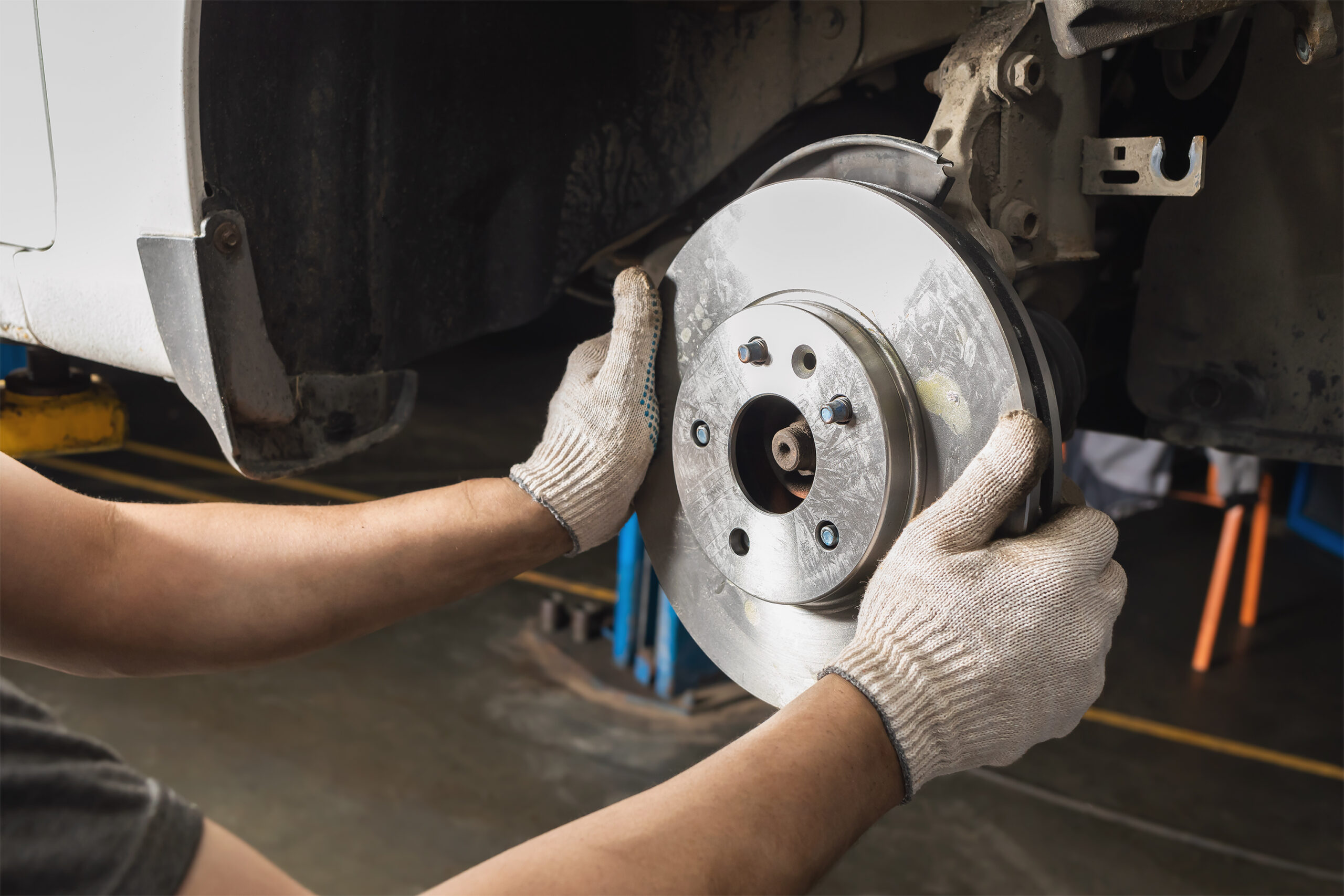
Brake rotors can also wear over time. A technician may recommend BMW rotor replacement if the rotors are below minimum thickness, severely scored, heat-damaged, cracked, or otherwise outside acceptable specifications. Rotors should be measured and evaluated based on conditions rather than mileage alone. This helps avoid replacing components unnecessarily while ensuring worn parts are addressed before they affect braking performance.
What Happens During a BMW Brake Inspection?
A proper brake inspection should evaluate the braking system as a whole rather than focusing only on the pads.
A typical inspection may include:
- Reviewing symptoms and warning messages
The technician starts by discussing noises, vibration, dashboard warnings, changes in pedal feel, or other concerns. - Checking brake pad thickness
Remaining friction material and wear patterns can help determine whether replacement is needed. - Inspecting and measuring the rotors
Rotors may be checked for scoring, heat damage, uneven wear, and thickness. - Inspecting calipers and related hardware
Calipers and brake hardware should move and operate correctly, so braking force is applied evenly. - Checking brake fluid
Fluid condition and level may also be reviewed as part of the overall brake system evaluation. - Evaluating brake wear sensors and electronic warnings
BMW models may use sensors and service notifications that require electronic diagnosis. - Road-testing the vehicle when appropriate
A road test can help confirm vibration, pulling, noise, or braking behavior reported by the driver.
After the inspection, the technician should be able to explain which components need attention now, which can continue to be monitored, and why.
At IM Autohaus, technicians use factory-level BMW diagnostic software, which can help evaluate brake-related warnings and electronic systems in addition to the mechanical components.
How Often Do BMW Brakes Need Replacement?
There is no single mileage interval that applies to every BMW brake system.
Brake life depends on several factors, including:
- Driving style
- Vehicle model and weight
- Stop-and-go traffic
- Highway versus city driving
- Brake pad material
- Rotor condition
- Maintenance history
- Frequency of hard braking
Local driving conditions can also affect wear. Stop-and-go driving throughout Falls Church and Northern Virginia can involve frequent braking, particularly during commuting and heavier traffic periods. This type of driving may cause brake components to wear differently than vehicles that spend most of their time on open highways.
Instead of relying on mileage alone, pay attention to warning messages, changes in braking performance, and regular inspection results.
Which BMW Brake Problems Need Immediate Attention?
Not every brake symptom requires the same level of urgency.
Schedule an Inspection Soon If You Notice:
- Persistent squealing
- Mild vibration during braking
- A recurring brake warning
- Gradual changes in pedal feel
- Slightly reduced braking response
These symptoms may indicate normal wear or a developing issue that should be evaluated before it progresses.
Avoid Unnecessary Driving and Seek Prompt Evaluation If You Notice:
- Significantly reduced braking ability
- A brake pedal that feels very soft or sinks unusually low
- Brake fluid leakage
- Severe grinding
- Strong pulling while braking
- Major vibration
- A brake warning combined with poor braking performance
These are more serious signs BMW brakes need repair. When braking performance changes significantly, continuing to drive may increase both safety risk and potential repair costs.
How to Choose a BMW Brake Repair Shop in Falls Church
Searching for a “BMW mechanic near me” can bring up many local options, but proximity should not be the only consideration. BMW brake service can involve more than replacing pads and rotors. Wear sensors, dashboard service notifications, electronic systems, model-specific specifications, and brake fluid requirements may also need to be evaluated.
A BMW-focused repair shop should be able to address both mechanical and electronic aspects of the braking system.
When choosing a shop for BMW brake repair in Falls Church, look for:
- Experience servicing BMW vehicles
- BMW-compatible diagnostic equipment
- Brake pad and rotor measurements
- Brake warning diagnosis
- Clear explanations of recommended work
- Written estimates
- Quality replacement components
- Customer approval before repairs is performed
The goal should be to identify what actually needs service rather than replacing parts automatically.
Final Thoughts: Address BMW Brake Problems Early
Brake problems are usually easier to address when they are identified before they affect additional components. If your BMW is showing a brake warning, making unusual noises, vibrating during braking, or responding differently than normal, schedule an inspection to determine what needs attention.
If you’re looking for reliable BMW brake repair in Falls Church, IM Autohaus offers specialized diagnostics, expert maintenance, and dependable repair services tailored to BMW vehicles. Book BMW Brake Service today to help keep your BMW performing safely and smoothly.
FAQs
How do I know if my BMW brake pads are worn?
Common signs include persistent squealing, brake wear warning, low remaining pad thickness, grinding, or changes in braking response. A physical inspection is the best way to confirm whether the pads are actually worn enough to require replacement.
Can I drive my BMW with the brake warning light on?
It depends on the warning and the cause.
A BMW brake warning light may indicate brake pad wear, a wear sensor issue, low brake fluid, or another braking system concern. Because brakes are safety-related, persistent brake warnings should be checked rather than ignored.
Do BMW rotors need to be replaced every time the brake pads are changed?
No. Rotor replacement should be based on rotor thickness, condition, wear, heat damage, scoring, and BMW specifications. A technician should inspect and measure the rotors before recommending replacement.
Why does my BMW shake when I brake?
Brake rotor wear or uneven rotor surfaces can cause vibration, but they are not the only possible cause. Wheels, tires, suspension components, and other brake-related issues can create similar symptoms. An inspection can help identify the actual source.
Can worn BMW brake pads damage the rotors?
Yes. If brake pads wear too far, the remaining friction material may no longer adequately protect the rotor surface. Continued driving can lead to scoring or other rotor damage, which may increase the scope of the repair.
Where can I get BMW brake service in Falls Church?
Look for a repair facility with BMW-specific experience, appropriate diagnostic equipment, and the ability to inspect both the mechanical and electronic parts of the braking system. Choosing specialized BMW brake service in Falls Church can help ensure recommendations are based on the actual condition of the vehicle.


 October 13, 2026