
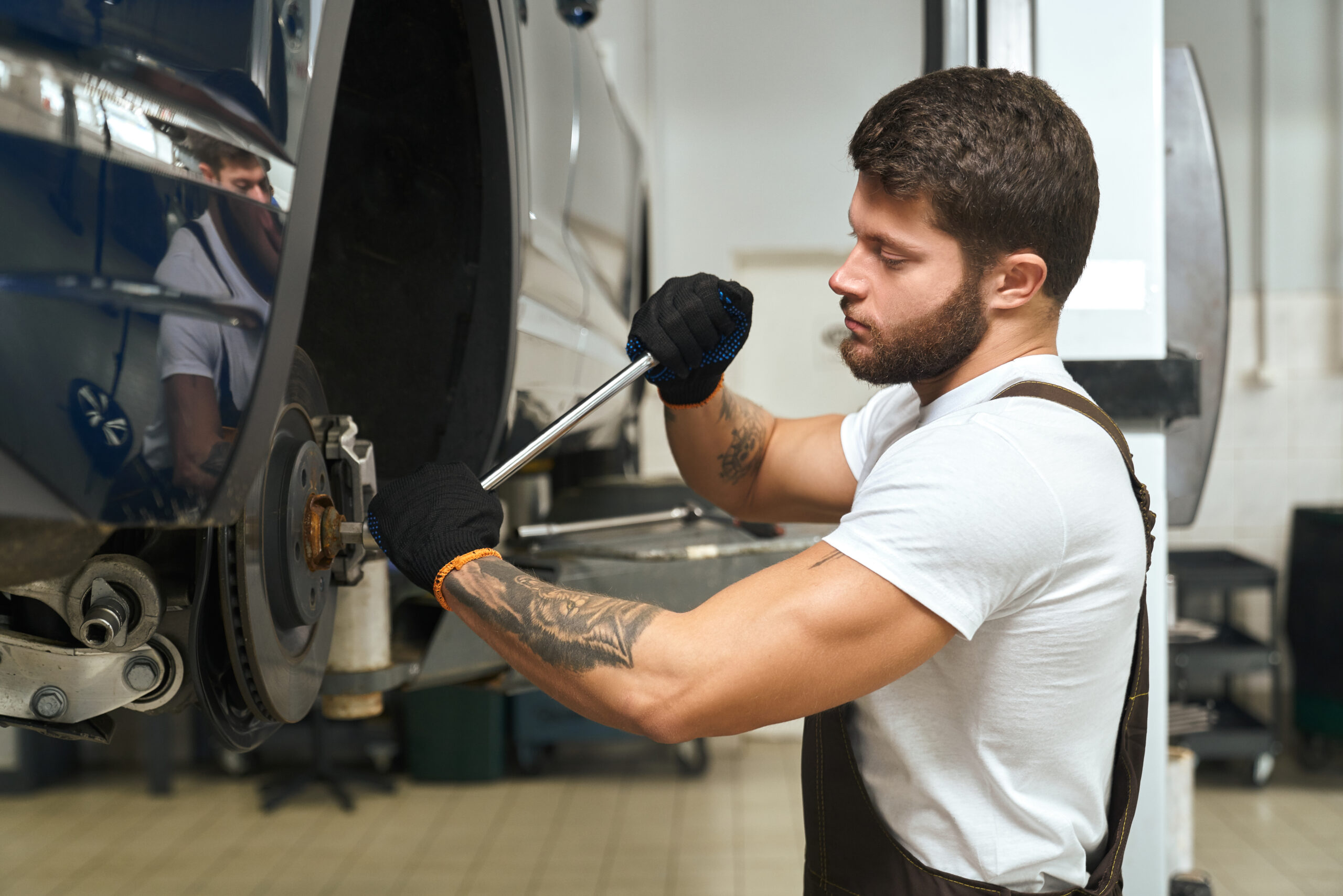
What is the best way to maintain your Volvo for long-term reliability? The most effective approach is to follow your vehicle’s manufacturer-recommended maintenance schedule, perform timely oil changes where applicable, inspect brakes and tires regularly, monitor cooling and electrical systems, and address warning signs promptly. Maintenance requirements vary by Volvo model, production year, powertrain, and driving conditions.
Volvo vehicles are known for their safety engineering, comfort, and reliable performance. However, maintaining these qualities requires consistent care. Delayed servicing can increase component wear, affect performance, and result in unexpected repairs.
Whether you drive an XC90, XC60, S60, S90, or an older model, understanding its maintenance requirements can help extend its usable life.
For drivers seeking Volvo service and repair in Northern Virginia, following manufacturer recommendations and considering local driving conditions are essential to maintaining dependable performance.
This guide covers practical Volvo maintenance tips, common warning signs, seasonal care, and when to seek professional assistance.
Note: Engine oil and conventional transmission guidance applies to combustion-engine Volvos and applicable hybrid models. Fully electric Volvos have different servicing requirements, including electric drivetrain inspections and high-voltage battery thermal management.
1. Follow Your Volvo’s Model-Specific Maintenance Schedule
Regular maintenance begins with understanding what your particular Volvo needs. Service requirements vary between gasoline-powered, mild-hybrid, plug-in hybrid, and fully electric models. A gasoline-powered XC90 may require different services from a plug-in hybrid XC60 or fully electric EX30.
What Does Volvo Scheduled Maintenance Include?
Depending on the vehicle, maintenance may involve:
- Engine oil and filter replacement where applicable
- Brake inspections and brake fluid service
- Tire pressure, tread, and alignment checks
- Engine and cabin air filter replacement
- Cooling system inspections
- Suspension and steering evaluations
- Battery and electrical system testing
- Transmission and drivetrain maintenance
Some services are mileage-based, while others depend on time or operating conditions. Stop-and-go traffic, frequent short trips, and repeated heavy braking can influence wear. Drivers commuting through Falls Church, Arlington, or Tysons should consider these conditions when planning inspections.
Maintenance tip: Follow the Volvo maintenance schedule for your specific model and keep accurate service records. A specialist can help identify which inspections are most relevant to your vehicle’s age and mileage.
2. Maintain Engine Oil and Cooling Systems
Engine lubrication and temperature regulation are essential for combustion-engine Volvos, including applicable hybrid models. These systems protect internal components from excessive friction and heat.
Use the Correct Engine Oil
Engine oil lubricates moving components, reduces friction, and helps manage operating temperatures. As oil ages, contamination and additive deterioration can reduce its effectiveness. Regular Volvo oil change service should follow the manufacturer’s approved oil specification and replacement interval.
Possible signs that attention is needed include:
- Oil service reminders
- Low engine oil notifications
- Visible oil leaks
- An overdue oil change
- Unusual engine noises that require diagnosis
Unusual engine noises should never be treated as proof that an oil change alone will resolve the problem. Knocking, rattling, or tapping may indicate mechanical issues requiring further investigation. Some Volvo engines use turbochargers that operate under demanding temperatures and speeds. Correct lubrication is particularly important for these components Oil color alone is not a reliable indicator of whether replacement is required.
Inspect the Cooling System
A conventional engine cooling system includes components such as a radiator, water pump, thermostat, coolant hoses, and expansion tank. Warning signs of trouble include coolant leaks, repeated low-coolant messages, rising engine temperatures, and a sweet smell associated with leaking coolant. Volvo cooling system maintenance should include checking coolant condition, hoses, seals, and related components for deterioration.
Hybrid and electric Volvos may have additional thermal-management systems for high-voltage batteries and other electrical components. These require specialized procedures and appropriately trained technicians.
Maintenance tip: Never open a pressurized coolant reservoir while hot. If your vehicle overheats, stop safely, follow the manufacturer’s instructions, and arrange assistance.
3. Keep Brakes, Tires, and Suspension in Good Condition
Brakes, tires, and suspension components directly influence vehicle safety, handling, and driving comfort. Regular inspection is particularly important for vehicles driven frequently in heavy traffic or on uneven roads.
Inspect Brake Components
Brake pads and rotors wear gradually during normal operation.
Warning signs include:
- Squealing or grinding noises
- Brake pedal vibration
- Reduced braking effectiveness
- Unusual pedal resistance
- Brake-related warning messages
Volvo brake service may include inspecting pads, rotors, hydraulic components, and brake fluid condition. Brake fluid replacement requirements depend on the model and production year.
Hybrid and fully electric Volvos also use regenerative braking, which can reduce friction brake use during certain driving conditions. However, conventional brakes still require inspection because corrosion, aging, and mechanical wear remain possible.
Check Tires and Suspension
Incorrect tire pressure can affect handling, efficiency, and tire wear. Check tire pressure against your vehicle’s recommended specifications and inspect the tread for uneven wear.
Suspension problems may appear as clunking noises, steering vibrations, excessive bouncing, or reduced handling stability. Worn control arms, bushings, and other suspension components can contribute to these symptoms.
Maintenance tip: Inspect brakes and tires regularly, especially after driving over potholes. If braking or steering becomes unsafe, stop driving and arrange professional assistance.
4. Understand Volvo Transmission and Drivetrain Maintenance
Transmission requirements vary across Volvo models and powertrains. Many gasoline-powered and hybrid Volvos use automatic transmissions, while fully electric models have electric drive units with different maintenance requirements.
Signs of Transmission Problems
In vehicles equipped with conventional automatic transmissions, possible symptoms include:
- Delayed gear engagement
- Harsh or inconsistent shifting
- Shuddering during acceleration
- Unusual transmission noises
- Transmission warning messages
- Fluid leaks around drivetrain components
These symptoms do not automatically indicate internal transmission failure. Engine performance issues, worn mounts, or electronic control faults can sometimes produce similar behavior.
Does Every Volvo Need Transmission Fluid Replacement?
No single transmission fluid replacement interval applies to every Volvo. Volvo transmission maintenance depends on the transmission design, manufacturer recommendations, and operating conditions. Using incorrect transmission fluid or following unsuitable service procedures can cause problems. All-wheel-drive vehicles may also have separate drivetrain inspection or maintenance requirements.
Maintenance tip: If shifting becomes inconsistent, schedule an inspection before authorizing repairs. Confirm the correct fluid specifications and service procedures for your model.
Professional Volvo repair in Northern Virginia can help identify whether the problem involves the transmission or another connected system.
5. Monitor Battery, Electrical, and Climate-Control Systems
Modern Volvo vehicles rely on electronic control modules, sensors, and electrical systems to support performance, comfort, and safety functions. Battery or charging problems can sometimes trigger multiple dashboard messages.
Common Electrical Warning Signs
Watch for:
- Slow or inconsistent starting
- Battery-related warnings
- Intermittent electronic malfunctions
- Charging system notifications
- Unresponsive electronic features
- Unexpected dashboard alerts
In gasoline-powered vehicles, these symptoms may involve conventional battery, alternator, wiring, or electronic control systems. Hybrid vehicles may also have additional batteries and electrical components. Fully electric Volvos use high-voltage traction batteries alongside low-voltage electrical systems. A battery warning does not automatically mean the traction battery requires replacement.
Maintain Cabin Air and Climate-Control Systems
Cabin air filters help reduce dust and airborne particles entering the passenger compartment. Restricted filters may reduce ventilation of airflow or contribute to unpleasant odors. Air conditioning problems can result from refrigerant leaks, electrical faults, or worn components. In electrified Volvos, climate-control and thermal-management systems may also play a role in regulating battery temperatures.
Maintenance tip: Have recurring electrical warnings diagnosed before replacing components. High-voltage electrical work should only be performed by technicians trained and equipped for those systems.
6. Recognize Common Volvo Problems Early
Even a well-maintained Volvo can develop problems as mechanical and electrical components age.
The specific concerns depend on the vehicle’s model, production year, mileage, and service history.
| Warning Sign | Possible Cause | Recommended Action |
|---|---|---|
| Engine oil leakage | Worn gasket or seal | Arrange an inspection |
| Overheating warning | Cooling system malfunction | Stop safely and seek assistance |
| Rough gear changes | Transmission or powertrain issue | Schedule diagnosis |
| Suspension noise | Worn bushings or related components | Inspect suspension |
| Battery warning | Battery or charging system fault | Test electrical system |
| Check engine light | Engine management or emissions fault | Diagnose the problem |
| Reduced braking performance | Brake system malfunction | Stop safely and arrange assistance |
These symptoms indicate possible problems rather than confirmed component failures.
For example, an illuminated check engine light may relate to ignition components, air intake irregularities, sensors, or emissions systems.
Volvo diagnostic services can help technicians interpret fault codes, examine operating data, and perform targeted tests. Understanding common Volvo problems can help owners respond appropriately instead of replacing parts based on assumptions.
Maintenance tip: Record when a warning or unusual symptom occurs. Note the driving conditions, warning messages, and recent repairs to help the technician investigate.
7. Prepare Your Volvo for Northern Virginia’s Seasonal Conditions
Seasonal weather can influence tire pressure, battery performance, cooling systems, and vehicle handling. Northern Virginia experiences hot, humid summers and colder winter conditions that may include freezing temperatures and road salt.
Summer Maintenance Checklist
Before extended warm-weather driving:
- Inspect cooling system condition where applicable.
- Check tire pressure and tread.
- Test air conditioning performance.
- Evaluate battery condition.
- Look for visible fluid leaks.
Winter Maintenance Checklist
Before temperatures drop:
- Test the low-voltage battery.
- Inspect tire tread and pressure.
- Check windshield wipers and washer fluid.
- Verify heating and defrosting functions.
- Examine brakes and exterior lights.
For fully electric Volvos, colder temperatures may reduce driving range and affect charging performance. Using vehicle preconditioning when supported and following manufacturer battery-care recommendations can help owners manage winter operation.
Maintenance tip: Arrange a seasonal inspection before major temperature changes or long-distance travel, especially if your vehicle has unresolved maintenance concerns.
Drivers seeking Volvo service and repair in Northern Virginia can use these seasonal checks to prepare for changing road conditions.
Build a Practical Long-Term Volvo Maintenance Routine
Keeping your Volvo reliable does not require replacing components unnecessarily. The objective is to follow manufacturer recommendations and respond to actual vehicle conditions.
A practical routine should include:
- Reviewing the maintenance requirements for your model and year.
- Recording completed services and repairs.
- Checking tires and applicable fluid levels.
- Investigating recurring dashboard warnings.
- Scheduling inspections when performance or handling changes.
- Preparing the vehicle for seasonal driving conditions.
Owners of older Volvos should pay particular attention to aging hoses, seals, suspension components, and previous repair history.
For example, older models such as the Volvo 240 may require additional attention to age-related rubber components, cooling system parts, and electrical connections.
Some older Volvo engines also have timing-belt maintenance requirements. The replacement interval depends on the specific engine and model year. Hybrid and electric vehicle owners should follow the appropriate battery, charging, and thermal-management recommendations. Maintaining complete service records can help technicians identify recurring issues and distinguish older repairs from newly developing problems.
8. Choose Experienced Volvo Service and Repair in Northern Virginia
Volvo vehicles have model-specific mechanical designs, electronic systems, and diagnostic requirements. Choosing technicians familiar with these systems can help make maintenance and repair decisions more straightforward. Ask your Volvo specialist to explain the inspection findings, recommended repairs, estimated costs, and whether each service requires immediate attention.
Volvo Service at IM Autohaus in Falls Church, VA
IM Autohaus has served Northern Virginia drivers since 1960, offering maintenance, diagnostics, and mechanical repairs for Volvo vehicles.
Its advertised capabilities include:
- ASE-certified automotive technicians
- Volvo diagnostic software and electrical troubleshooting
- Routine maintenance and mechanical repairs
- Brake and air conditioning services
- Service for older Volvo models, including the Volvo 240
- Full-service body and collision repair
- Clear repair recommendations and estimates
The facility services both older and newer supported Volvo vehicles, making it an option for owners seeking an alternative to dealership maintenance and repair. Although Volvo diagnostics are advertised, owners needing a particular programming procedure should confirm availability before booking.
Likewise, services involving hybrid high-voltage components, fully electric drivetrains, or high-voltage battery cooling should be confirmed directly with the facility. General Volvo maintenance expertise does not establish that every electrified-vehicle procedure is supported.
Convenient Volvo Service in Falls Church, VA
Located at 551 North Washington Street, Falls Church, Virginia 22046, IM Autohaus serves drivers from Falls Church, Arlington, McLean, Tysons, Vienna, Fairfax, and surrounding Northern Virginia communities.
For drivers searching for Volvo service in Falls Church, VA, the facility offers an independent option for supported maintenance and repair needs. The business also advertises a shuttle to East Falls Church Metro, providing an additional convenience for customers scheduling vehicle service. Choose a Volvo specialist who understands your vehicle’s model, maintenance history, and specific repair needs.
Conclusion: Protect Your Volvo’s Long-Term Performance With Consistent Care
Long-term Volvo reliability depends on model-specific maintenance, timely inspections, and early attention to developing mechanical or electrical problems.
Engine care, braking systems, transmission maintenance, battery testing, and tire inspections all contribute to vehicle performance, depending on the powertrain and model.
Following the manufacturer’s recommendations and maintaining accurate service records can help reduce preventable wear and make future repair decisions easier.
For owners considering Volvo service and repair in Northern Virginia, experienced technicians can help identify maintenance priorities based on the vehicle’s actual condition. Keep your Volvo ready for the miles ahead with a maintenance inspection at IM Autohaus in Falls Church.
Schedule your Volvo service appointment and receive clear recommendations tailored to your vehicle’s needs.
FAQs
How often should a Volvo be serviced?
Volvo maintenance intervals vary by model, production year, powertrain, and driving conditions. Follow the manufacturer’s service schedule and applicable vehicle reminders. Arrange an earlier inspection if warning lights, fluid leaks, or performance changes develop.
What maintenance is most important for long-term Volvo reliability?
Important maintenance includes engine oil replacement where applicable, brake inspections, tire checks, cooling system care, battery testing, and recommended fluid services. Hybrid and electric models also have specific electrical and thermal-management requirements.
Do fully electric Volvo vehicles require oil changes?
Fully electric Volvos do not require conventional engine oil changes because they do not have combustion engines. However, they still require tire maintenance, brake inspections, cabin filter replacement, and other model-specific services.
What are the signs of Volvo transmission problems?
Possible symptoms include delayed gear engagement, harsh shifting, shuddering, unusual noises, or transmission warning messages. These symptoms may have different causes, so accurate diagnosis is necessary before recommending repairs.
Why does my Volvo's check engine light come on?
A check engine light may indicate ignition problems, sensor faults, fuel system irregularities, or emissions-related issues. Diagnostic testing helps identify the underlying condition and determine which repairs are appropriate.
Can regular maintenance help an older Volvo last longer?
Regular maintenance can reduce preventable wear, identify developing problems, and support continued reliable operation. Vehicle longevity also depends on driving conditions, component condition, previous repairs, and how promptly problems are addressed.
Is an independent Volvo repair shop a good alternative to a dealership?
An experienced independent repair shop can perform many Volvo maintenance and repair services when equipped with suitable diagnostic tools and technical expertise. Confirm that the facility supports any specialized programming or high-voltage procedure your vehicle requires.
